Dogs don’t see black and white: Why your pup sees better than you think
Explore how dogs see a world of yellows and blues, have sharp night vision, and detect motion, impacting play, training, and daily life.

 Dog facts on DogsBestLife.com include information about dog senses, dog tails, dog sleep positions, and dog brains.
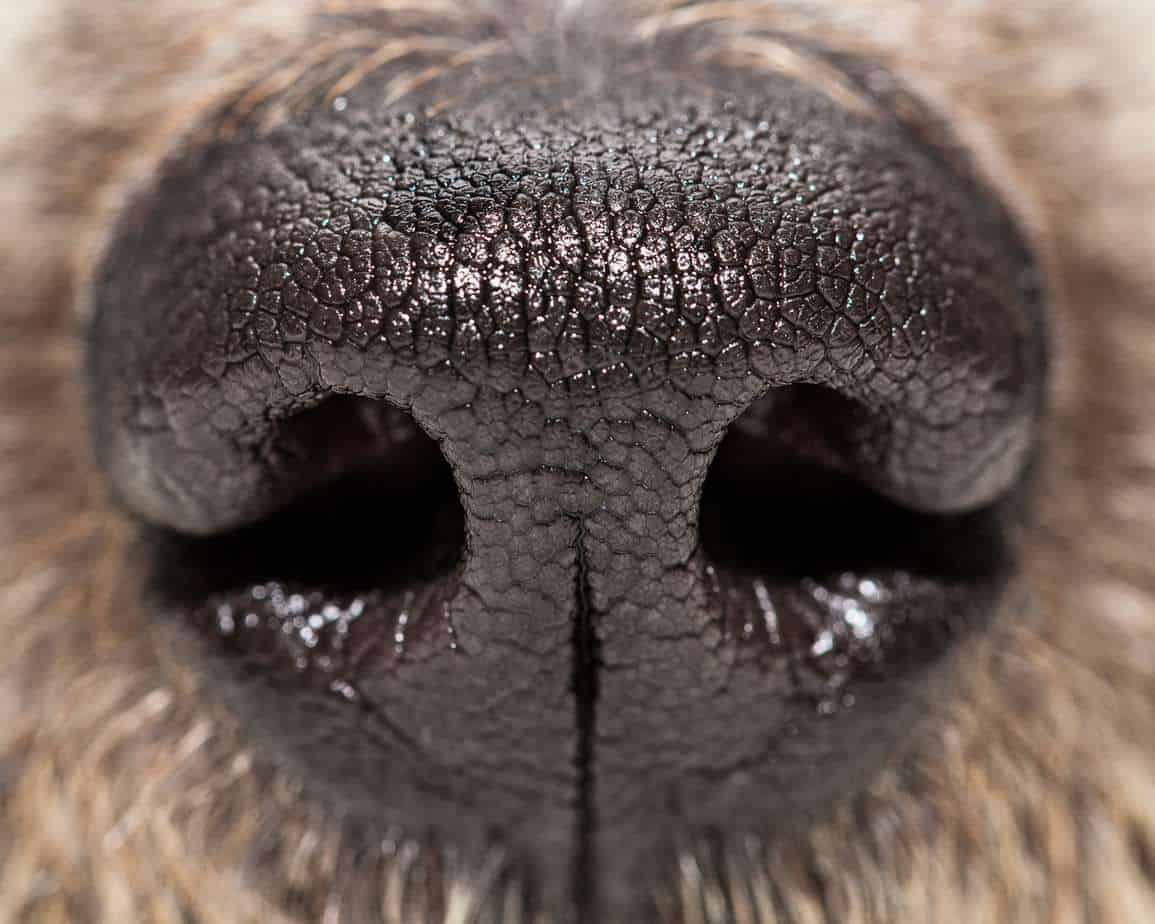
Noses
For hundreds of years, humans have harnessed the power of dog noses to track missing people, locate the dead at disaster sites or sniff out explosives, drugs or accelerants used to start fires.
Ears
When compared to humans, a dog’s hearing is superb. They can hear frequencies, and at volumes, people cannot hear.
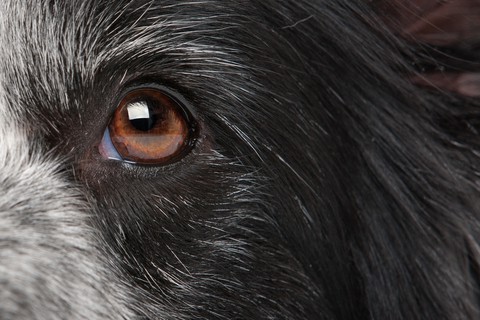
Eyes
Some people incorrectly believe that dogs see only in black and white. Although dogs do see color, not quite as well as people can, because they have fewer color detecting cells. Their vision mostly detects browns, blues, and yellows.
Tails
The length and shape of the dog tail can give you a hint of their ancestry. Tails come long, medium, short and bobbed. They are categorized as straight, screw/curled, gay, saber, taper, whip, plum, otter, brush, sickle, snap, carrot, and tuft.
Sounds
Dog sounds convey a variety of messages. It’s up to you to understand what your dog is trying to tell you.
Sleep positions
Did you know the dog sleep position your pup chooses can influence how well your dog sleeps? And that his dog sleep position also can give you insight into your dog’s personality.
Brains
A study by Vanderbilt University proves what dog owners already know — dogs are smarter than cats.
Explore how dogs see a world of yellows and blues, have sharp night vision, and detect motion, impacting play, training, and daily life.

Dogs may bark at television sounds when they confuse a fake doorbell or animal sound with a real one, but other reasons also prompt barking.

Americans love their pets, and they aren’t shy about shelling out billions in pet spending to give their animals the best lives possible.

Explore dog senses and discover how your pet experiences the world. Learn about smell, hearing, sight, and how to support your dog.

Understand dog body language with our complete guide to tail position, ear orientation, posture, and facial expressions.

Use your dog’s tail to determine the breed. Understand how dog tail positions, shapes, and lengths identify your dog’s pedigree.

Discover the intriguing meanings behind dog sounds, from barks to whines, and gain a deeper understanding of your furry friend.

The history of dogs and humans shows how they formed a unique bond of companionship and loyalty based on mutual affection and understanding.

A study by Vanderbilt University shows dogs are smarter than cats. The study is the first to count cortical neurons in carnivores’ brains.
Medical science harnesses the power of dog noses to detect cancers and other diseases such as lung and bowel cancer, malaria and Parkinson’s Disease.
[mc4wp_form id=”13217″]