
5 tips to make your dog stop eating feces
By Karen A. Soukiasian
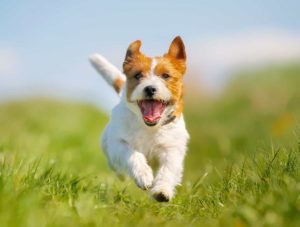 Making dogs stop eating feces can be a major challenge for some dog owners.
There are a number of reasons why some dogs find eating their own or another animal’s — especially cat feces — so appetizing.
To get them to stop, you need to figure out why eating feces is appealing.
Most puppies and dogs purchased from pet stores are from unsanitary, poorly operated, over-crowed puppy mills.
Whenever possible, avoid getting your new best friend from a pet store.
Instead, find a reputable breeder or visit your local shelters and rescues.
Why dogs eat feces
1. Most female dogs will instinctively keep their litter area clean by eating their puppies’ feces if the breeder does not do it regularly.
2. Puppies that are not fed enough during weaning will often eat feces because they are hungry, which creates a bad habit.
3. Puppy mills are notorious for not keeping the litter areas clean. Puppies are usually infested with parasites and get feces on them. To keep clean, a puppy will have to lick the feces off…therefore it becomes perfectly natural to them. That habit also keeps the parasite cycle repeating over and over.
4. Nutritional imbalance. Your puppy or dog may not receive what they need from their food and may need nutritional supplements. Speak to your veterinarian.
5. Absorption problems. Your puppy or dog may have parasites. Speak to your veterinarian.
6. Keep the cat box out of the dog’s reach! If need be, enclose the litter box in a cabinet, with a hole only big enough for the cat to get through.
Break the feces-eating habit
1. Have your dog examined. Have them tested for parasites and nutritional deficiencies. The remedy may be as simple as a change in diet.
2. Make sure your puppy or dog is not always hungry. Feed her smaller amounts more often and if necessary, increase the amount of food.
3. Clean up immediately after your dog relieves himself. Out of sight, out of mind!
4. If your dog turns around, and looks like he’s about to indulge, make a firm “LEAVE IT!” command, move him away from the pile, and give him a treat or toy as a distraction. When he takes the treat or toy, praise him.
5. Find a local trainer who applies positive reinforcement, punishment-free training methods. Enroll your dog in a Puppy Kindergarten or Basic Obedience class. Learn how to use positive reinforcement and certain commands properly, so your dog will learn to associate what is appropriate behavior.
6. Consider using a stool eating deterrent, these can make poop less appealing to dogs by reducing the odor and providing essential enzymes that may be missing in their diet.
BOTTOM LINE: This is a nasty, gross and usually hard habit to break! Be patient, firm, diligent and consistent.
Follow Karen A. Soukiasian on Facebook