
Take steps to help your older dog adjust when you add a new dog

If you have an older dog, you’ve likely contemplated introducing another dog to your family.
Welcoming a new dog into the home can bring a renewed sense of purpose and joy to senior dogs.
Companionship with a younger playmate often stimulates their mind, encourages gentle activity, and helps ward off loneliness or boredom.
Many owners find that their older dog becomes more engaged, playful, and emotionally fulfilled, benefiting from the daily interactions and shared routines.
This uplifting change highlights the powerful emotional benefits of adding a new dog and nurturing your senior dog’s overall well-being.
Having a multiple-dog household can make your life easier as they amuse and entertain each other.
Usually, grown dogs will accept a new, younger dog. To add a new dog, introduce a puppy to an adult dog by taking time and following proper steps.
Some older dogs can make it difficult for the newbie to join their pack! The older dog expects the newcomer to earn their place.
Your task will be to balance the needs of both dogs.
When helping the new dog adjust, ensure you do not make the older dog feel sad or jealous. Avoid actions that may make the older dog feel replaced.
Introducing a new dog to the pack
- Introducing a new dog to the pack
- Help the dogs bond
- Introducing a new dog to a jealous dog
- Separate but equal
- Provide individual attention
- Make the process fun
- Understand each dog's personality
- Gradually introduce a new dog
- Timeline for introducing a new dog
- Keep your older dog safe
- Safely resolve conflicts
- Step-by-step guide: Add a new dog to a multi-pet home
- Troubleshooting common challenges
- Bottom line on adding a new dog
Most dogs naturally get along, so having multiple dogs in one home is simple.
How long does it take for a dog to adjust to a new pup? There is no hard-and-fast timeline. It all depends on the dogs and their energy levels.
Let your older dog take the lead. If your older dog growls at the puppy or ignores him, it reflects his status as the leader. He wants the newcomer to understand he was there first.
Typically, the puppy instinctively learns to respect the older dog’s authority.
But to get to that point, adding a second dog may lead to growling and snapping.
The good news is it rarely gets more severe than that.
Stay out of it unless you see it getting out of hand and fear one dog will injure the other. By interfering, you disrupt the natural order of pack psychology and survival.
Intelligent puppies will back down out of respect. Usually, the puppy will accept the relationship’s terms, leading to less drama and more peace.
Pay attention to the dog’s body language to identify signs that it feels threatened, or watch for problem dog behavior.
Especially watch for behavior problems or signs of aggression if the puppy tries to dominate the adult dog. If the puppy is problematic, you must focus on obedience training and teach your dog the house rules.
Help the dogs bond
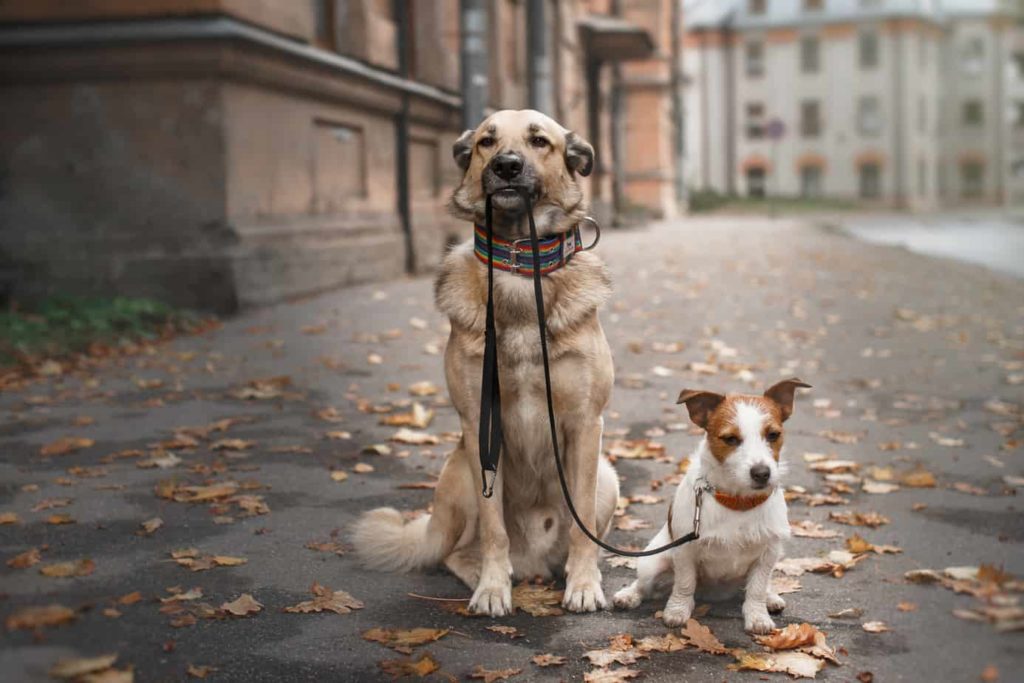
Wondering whether your dog needs a companion?
And if so, how can my older dog accept the new puppy?
Walking your dogs together is a terrific way to help them bond. If they are similar in size, you can use a leash coupler when you walk.
Demonstrating your leadership skills teaches both dogs the importance of listening to and following you.
Both dogs have something in common: seeing you as the boss.
Let your older dog see good things happen when the puppy is around.
Give both dogs lots of treats and tons of praise for staying calm.
Introducing a new dog to a jealous dog
Take care not to favor the second dog. Doing so can easily make the older dog jealous of the new dog. Watch for signs that the older dog is depressed when the puppy is around.
Spend quality time alone with your senior dog. After all, he was a family member first. Make sure he doesn’t feel like you are replacing him. Secure dogs are happy dogs.
Pay attention and watch for signs that the old dog is afraid of the puppy. This may happen if the puppy is larger or the older dog is less mobile due to age or illness.
Do not let the older dog attack the puppy; think twice before introducing a new dog to an aggressive dog.
Also, consider the dogs’ gender. You are more likely to have problems if you have two female dogs or two male dogs.
Watch for signs of resource guarding. Don’t let either dog become possessive of toys or other objects.
Separate but equal
If you have multiple dogs, you may consider separating them during mealtime or bedtime. You can do this by using different rooms or baby gates.
This creates a neutral environment so the dogs don’t feel like they are competing.
Use separate water bowls and food bowls and, if necessary, feed the dogs at different times.
Provide individual attention
Providing individual attention and care to each dog during the adjustment period is crucial for their emotional and mental well-being.

When dogs transition to a new environment, whether it’s a new home, shelter, or a different setting, they can experience stress and anxiety.
Personalized care helps them feel safe and secure, allowing them to acclimate to their surroundings more comfortably.
Caregivers can better understand their specific needs, behavioral cues, and preferences by dedicating time to each dog.
This individualized approach fosters trust and strengthens the bond between the dog and the caregiver, making the adjustment period much smoother.
Moreover, one-on-one attention allows for tailored training and socialization, helping address any unique challenges a dog may face.
Investing in individual care not only aids dogs during their adjustment but also promotes their overall happiness and well-being.
Every dog deserves the chance to thrive in its new environment; providing extra attention can make all the difference.
Make the process fun
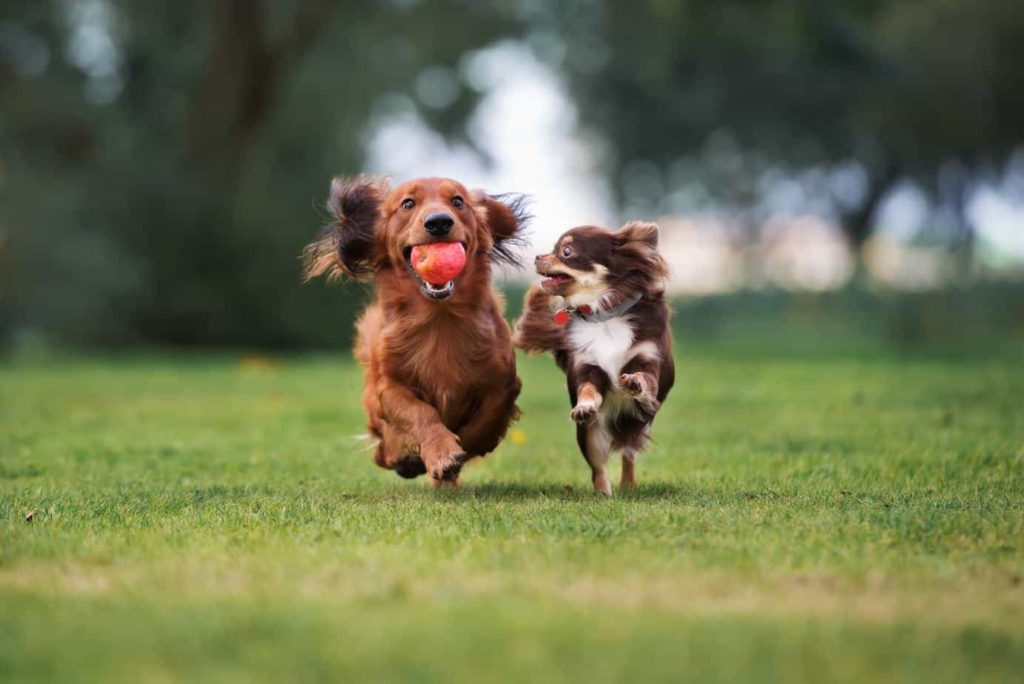
Find a few joint fun exercises and games that both dogs will enjoy. As they playfully interact with each other, they gracefully bow out.
Let them enjoy playing with each other, not you. Dogs learn quickly, so stay calm and set a good example.
Watch the dogs’ interactions to make sure neither is misbehaving.
Enroll the puppy in positive-reinforcement, punishment-free obedience classes. See if you can bring the senior dog as well.
If your older dog misbehaves after getting another dog, you must address the issue immediately.
If your younger dog is too rambunctious for your older dog, consider using interactive toys to tire him out.
Usually, your older dog will be a great role model for your second dog.
Puppies love learning by “monkey see, monkey do.” And socializing with other dogs and puppies in your class will benefit both of you.
Schedule a session with a professional dog trainer if your dogs struggle to get along.
Understand each dog’s personality
Understanding each dog’s personality and temperament is crucial to ensuring a harmonious household when considering adding a new dog.
Just as humans have unique characteristics and behaviors, so do dogs. Recognizing these differences can help prevent conflicts and foster positive relationships between your existing dog and the new addition.
Each dog has its way of interacting with others, influenced by factors such as breed tendencies, past experiences, and socialization.
For example, an outgoing, playful dog may thrive with a companion that shares its energy, while a more reserved or submissive dog might feel overwhelmed by an overly assertive playmate.
By assessing your current dog’s personality traits — such as sociability, trainability, and energy level — you can select a second dog that complements these qualities rather than competing with them.
Additionally, knowing each dog’s temperament can help you create the right environment for their introduction and ongoing interactions.
Some dogs require gradual introductions and structured socialization, while others might adapt more quickly.
Understanding whether your dogs are prone to dominance, anxiety, or playfulness can help you manage their relationship effectively.
Moreover, awareness of their personalities can help avoid potential behavioral issues down the line.
Recognizing signs of stress or discomfort allows you to intervene early and make necessary adjustments, ensuring both dogs feel secure and valued.
Ultimately, taking the time to understand and appreciate each dog’s unique personality and temperament helps make a wise choice when selecting a companion and lays the groundwork for a loving and harmonious multi-dog household.
Beyond jealousy and adjustment, it’s important to watch for signs of anxiety, withdrawal, or subtle mood changes in senior dog behavior when a new puppy arrives.
Senior dogs may become less active, seem distant, or even show changes in appetite.
Recognizing these signs of stress helps owners empathize with their older dog’s emotional state and respond with patience, reassurance, and extra one-on-one attention.
Gradually introduce a new dog

When introducing a new dog to your home, it’s essential to manage the interactions with the older dog’s toys, sleeping areas, and other possessions to reduce potential conflicts.
Creating a schedule and following a routine can also help both dogs transition. Knowing what to expect for both the new pet and your existing dog can help.
Create separate spaces
Initially, designate a space for each dog. This separation allows the older dog to maintain its comfort zone without the immediate pressure of sharing.
Proper separation can help both dogs feel secure during the adjustment period.
Gradually introduce toys
Introduce toys gradually. Start by placing the new dog’s neutral toys in neutral territory while putting away the older dog’s favorite toys.
Once both dogs are accustomed to each other’s presence, you can begin to swap toys. While supervising their interactions, offer one of the old dog’s toys to the new dog and vice versa.
This helps both dogs associate each other’s scent with positive experiences.
Swap scents
Before any direct interaction, try swapping bedding or toys between the two dogs. This allows them to get used to each other’s scent without confrontation.
It’s a safe way to build familiarity. It can ease the introduction process.
Supervise sharing
When you feel both dogs are ready, let them share space while you closely monitor their interactions.
Do this during playtime or a calm moment when neither dog is overly excited or agitated. If any tension arises, redirect their attention with a toy or a treat.
Rotate toys
To prevent possessiveness, consider rotating toys daily. This keeps the toys fresh and interesting for both dogs while minimizing the chance of conflict over a single favorite item.
Provide positive reinforcement
Reward both dogs with praise and treats when they engage positively with each other’s possessions. Rewards reinforce positive behavior and help them associate the other dog’s presence with positive experiences.
Monitor sleeping areas
Let the new dog explore the older dog’s sleeping area only after the new dog and the older dog have had time to adjust to each other.
If the older dog shows signs of protectiveness, it’s best to keep them in separate sleeping areas until they’re more comfortable together.
Be patient
Every dog is different, and some may take longer to adjust than others.
Be patient and give both dogs time to acclimate to the new living arrangements at their own pace.
By taking these gradual steps, you can help foster peaceful coexistence and reduce the likelihood of conflicts as the two dogs navigate their new relationship.
Timeline for introducing a new dog
Here’s a clear, step-by-step timeline to guide you:
Day 1: Neutral meeting — For the first meeting, introduce dogs in a neutral location, both on leash, allowing them to sniff and observe each other calmly.
Week 1: Short supervised visits — Arrange several short, positive, supervised interactions at home while keeping them separated when not together.
Week 2: Controlled playtime — Allow controlled play in shared spaces, always supervised, and watch body language for signs of comfort and stress.
Month 1: Gradual increase in shared space — Gradually increase time spent together, monitor interactions, and allow for breaks as needed, aiming for peaceful coexistence.
Patience and consistency are essential; let both dogs set the pace as they build trust and comfort with each other.
Keep your older dog safe
Older dogs often have mobility issues, arthritis, or other health concerns that can make them more vulnerable during play with a new puppy.
Carefully supervise their interactions, limit roughhousing, and step in if play becomes too boisterous for your senior.
Use ramps or carpets to help prevent slips on slick floors.
Before bringing home an energetic puppy, consult your veterinarian to discuss your senior dog’s specific needs and any precautions to take.
Prioritizing safety ensures both dogs can coexist happily and healthily.
Safely resolve conflicts

Start by introducing the dogs in a neutral environment to prevent territorial issues.
Consider walking them together on leashes, allowing them to observe each other from a distance and gradually get closer.
Positive reinforcement
Reward both dogs with treats and praise for calm behavior around each other. This will create positive associations and encourage them to behave well together.
Separate spaces
Ensure both dogs have spaces (such as beds or crates) to retreat to when they feel safe. This helps reduce stress and allows them to have downtime away from each other.
Supervise interactions
Always supervise their interactions, especially during the initial phase. Keep sessions short and positive to prevent either dog from becoming overwhelmed.
Controlled feeding
Feed the dogs in separate areas to avoid resource guarding. This prevents conflicts over food and teaches them to eat peacefully without competition.
Playtime management
Monitor play interactions. If play gets too rough, intervene and redirect their energy with toys or by separating them for a moment.
Training and commands
Teach both dogs basic commands like “sit,” “stay,” and “leave it.” Having consistent training helps you manage the dogs’ behavior effectively during conflicts.
Gradual increase time together
Slowly increase the time they spend together as they grow more comfortable with each other. Make sure to keep the interactions positive and rewarding.
Consult a trainer
If conflicts persist or escalate, consider enlisting a professional dog trainer or behaviorist who can assess the situation and provide tailored strategies.
Be patient
Remember that building a positive relationship between the dogs may take time. Be patient and consistent with your efforts, allowing them to set the pace for their relationship.
Step-by-step guide: Add a new dog to a multi-pet home
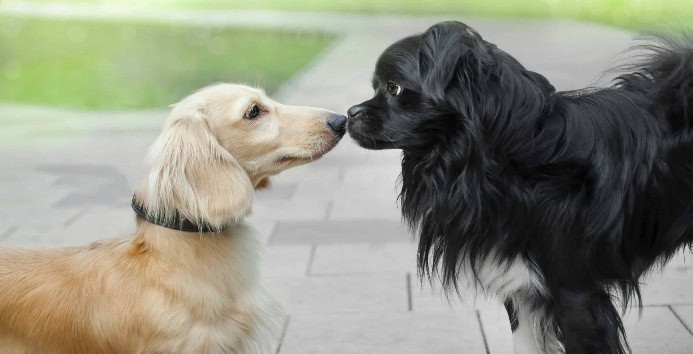
Neutral territory: Start introductions in a neutral area to avoid territorial behavior. Keep dogs leashed initially for control.
Take your time: Don’t rush the process. Allow multiple meetings to facilitate gradual familiarity.
Supervise closely: Always supervise interactions initially to prevent aggression or stress.
Set boundaries: Provide separate spaces, food bowls, and toys to minimize resource guarding.
Use positive reinforcement: Reward good behavior with treats and praise to foster positive associations.
Consider individual needs: Be attentive to each dog’s personality and comfort level during the introductions.
Gradual integration: Slowly increase time spent together after several positive interactions while still supervising.
Seek professional help: Consult a dog trainer or behaviorist for persistent issues.
Give extra attention: Ensure existing dogs receive individual attention to reduce feelings of jealousy.
Be patient: Adjustments take time, so stay patient and consistent throughout the process.
Gradual increase time together
Slowly increase the time they spend together as they grow more comfortable with each other. Make sure to keep the interactions positive and rewarding.
Consult a trainer
If conflicts persist or escalate, consider enlisting a professional dog trainer or behaviorist who can assess the situation and provide tailored strategies.
Be patient
Remember that building a positive relationship between the dogs may take time. Be patient and consistent with your efforts, allowing them to set the pace for their relationship.
Add a new dog to a multi-pet home
Neutral territory: Start introductions in a neutral space to avoid territorial behavior. Keep dogs leashed initially for control.
Take your time: Don’t rush the process. Allow multiple meetings to facilitate gradual familiarity.
Supervise closely: Always supervise interactions initially to prevent aggression or stress.
Set boundaries: Provide separate spaces, food bowls, and toys to minimize resource guarding.
Use positive reinforcement: Reward good behavior with treats and praise to foster positive associations.
Consider individual needs: Be attentive to each dog’s personality and comfort level during the introductions.
Gradual integration: Slowly increase time spent together after several positive interactions while still supervising.
Seek professional help: Consult a dog trainer or behaviorist for persistent issues.
Give extra attention: Ensure existing dogs receive individual attention to reduce feelings of jealousy.
Be patient: Adjustments take time, so stay patient and consistent throughout the process.
Troubleshooting common challenges
Resource guarding: If one dog guards toys or food, feed and play with them separately at first.
Gradually reintroduce shared items under supervision and praise calm, sharing behavior.
Excessive growling: Growling is a form of communication, but if it escalates, calmly separate the dogs and offer a break. Reinforce positive interactions and consult a trainer if needed.
Jealousy: Spend individual time with each dog daily. Ensure both dogs receive attention, treats, and praise to prevent one from feeling left out.
Patience and observation are key—address issues promptly and reinforce good behavior to foster harmony.
Bottom line on adding a new dog
Allowing nature to take its course when bringing a new dog home works well if you let the old dog and the second dog adjust independently.
Allowing the dogs to establish their relationship reinforces the puppy’s innate pack instincts. The puppy must earn trust and respect and learn to understand his place in the pack.
And, you may find a new companion energizes an older dog and makes him more playful again.
Usually, adding a second dog is a winning situation for everyone.
Karen A. Soukiasian owns Good Dog! — Dog Training in St. Augustine, Florida. You can follow Karen on Facebook.