
Learn how to determine the right time to spay or neuter your dog
- What to expect
- Benefits of neutering
- Cost of neutering your dog
- Risks of neutering
- What about incontinence?
- What age should I neuter my dog?
- When should I neuter my small-breed male dog?
- When should I neuter my large-breed male dog?
- When should I neuter my female dog?
- Quick guide: Neutering by breed size and sex
- Common questions about neutering?
- Prepare for neutering
- Help your dog recover
- What to watch for after surgery
- Behavior changes after neutering
- Ethical considerations
- Neutering alternatives
- Common neutering misconceptions
- Decision-making checklist
- Final thoughts on determining the right time to neuter your dog
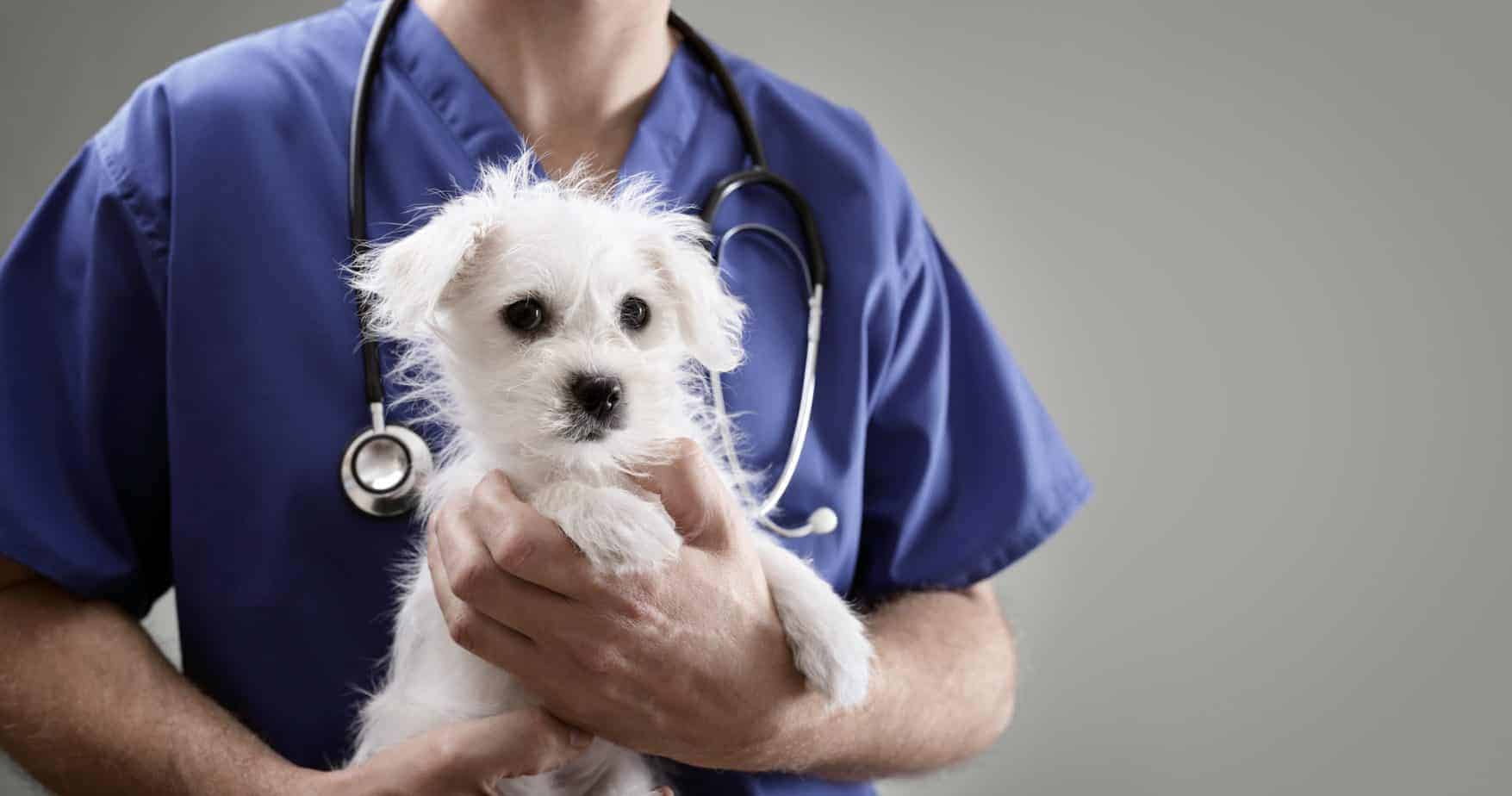
The decision to neuter your dog is likely one of the most critical choices you make as a pet owner. Unfortunately, there is a lot of conflicting information and advice on when to neuter your dog.
Neutering has both benefits and risks. Most veterinarians recommend neutering, but do the benefits always outweigh the risks?
Unfortunately, as is often the case, there is no one-size-fits-all answer.
Here, we’ll examine some reasons for and against neutering, cover specifics about your situation, and discuss the best age to neuter your dog.
That way, you and your veterinarian can find the best approach for your pooch.
If you don’t have a veterinarian, check out this guide on how to choose one.
What to expect
Knowledge is power, and it pays for dog owners to know what to expect when you neuter your dog.
A veterinarian performs the procedure itself. Neutering is a routine operation and is very safe. Complication rates following surgery are low, and most dogs recover quickly and without incident.
The procedure is done under general anesthesia, so your dog is asleep and shouldn’t feel a thing.
Neutering is typically a one-day procedure, so your dog usually comes home the same day.
You must do a few things differently while your pet recovers from the surgery.
Read this guide for more information about what to expect after neutering.
Benefits of neutering
There are several scientifically proven benefits to neutering dogs. Some benefits are health-related, while others can enhance your relationship with your dog.
Female dogs
- Cannot get pregnant.
- Cannot get pyometra (womb infection). Pyometra is a common and severe condition that often affects female dogs and usually requires emergency surgery.
- They are significantly less likely to develop mammary cancer if they are neutered at a young age.
- No longer experience a heat season—this can save a lot of mess and help prevent male dogs from becoming interested.
- Cannot have “false-pregnancies, which sometimes happen after a dog comes out of heat. Affected dogs behave as if they have puppies, producing milk and creating a nest. Occasionally, this needs medical treatment.
- Removing the ovaries prevents ovarian cancer.
Male dogs
- Less likely to get prostate disease.
- Less likely to get certain cancers.
- Neutering can improve behavior, particularly aggression. However, if aggressive behavior is a concern, we strongly advise seeking professional behavioral advice before neutering.
Cost of neutering your dog
Neutering costs vary depending on location, your dog’s size, and additional vet services.
On average, neutering a male dog costs between $50 and $250, while spaying a female dog costs between $200 and $500.
One factor that affects the cost of neutering is your location. Typically, urban areas have higher prices due to higher overhead costs for veterinary clinics.
Your dog’s size also affects the cost, as larger dogs require more anesthesia and medication during the procedure.
Another factor that may affect the price is whether it includes additional services.
Some veterinarians offer package deals that include pre-surgery blood work, pain medications, post-surgery check-ups, and other necessary services.
These packages may cost more upfront, but can save money in the long run.
It’s also crucial to consider any potential complications or follow-up care after surgery.
In some cases, dogs may experience side effects such as infections or bleeding after surgery, which can result in additional expenses for medication and follow-up veterinary appointments.
While these costs may seem daunting at first glance, it’s essential to remember that they pale in comparison to the potential expenses associated with unplanned litters or health issues that could arise if your pet remains intact.
Spaying and neutering prevent unwanted litters, reduce pet overpopulation, and reduce the risk of certain cancers and behavioral problems.
Some animal shelters and humane societies offer low-cost or even free spay/neuter services for needy pet owners. Some organizations also provide financial assistance for those who qualify.
Risks of neutering
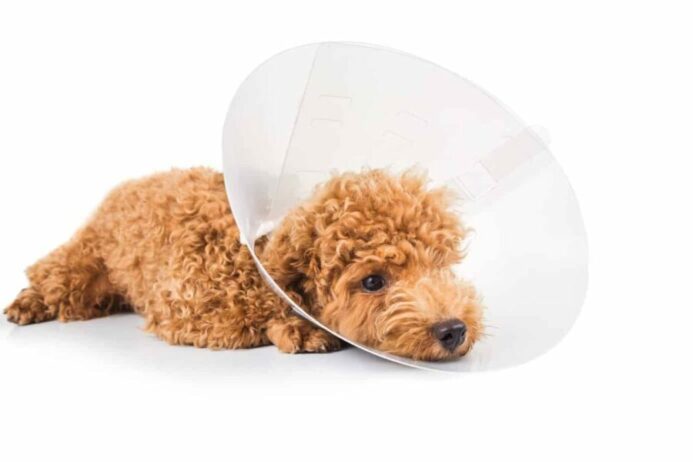
Some risks are associated with neutering, but it is crucial to keep things in perspective. Surgery sounds scary, but serious complications are rare.
Most neutering procedures go smoothly, and dogs recover quickly.
Worrying about your pet having surgery is natural, but don’t avoid neutering out of fear
However, depending on the age of neutering, your dog may face other dangers. Early neutering dangers include cancers, the risk of joint disorders, incontinence, and obesity.
The increased risks you need to take into account when making your decision include:
Lymphoma
Neutering a dog before 12 months can raise the risk of lymphoma, particularly in male dogs. Breeds like Bullmastiffs, Boxers, Bernese mountain dogs, Scottish terriers, Labrador retrievers, and Golden setters are at higher risk.
Hemangiosarcoma
Neutering in dogs is linked to a higher risk of hemangiosarcoma, a severe and often asymptomatic cancer. Spayed females and neutered males have a significantly greater risk than their intact counterparts. Additionally, late neutering in females is associated with an increased risk of this deadly cancer.
Cruciate disease rupture
Cruciate ligament disease (CrCLD) affects the cranial cruciate ligament (CCL) in dogs, leading to tears or failures of the ligament. This ligament stabilizes the knee, and CrCLD can cause pain, lameness, and joint instability. It is a significant cause of degenerative joint disease in dogs.
Hip disease or hip dysplasia
Hip dysplasia is a hereditary condition in dogs that impacts the hip joints, leading to pain and lameness. Early detection of symptoms and treatment are essential for managing the condition.
Elbow dysplasia
Elbow dysplasia occurs when the bones in the elbow do not fit together properly due to abnormal growth or joint stress. It is the second most common cause of lameness in dogs after osteoarthritis.
Urinary incontinence
Neutering a female dog before her first heat cycle can increase the risk of urinary incontinence.
Obesity
Neutering alters a dog’s hormones, slowing metabolism and increasing hunger. Neutered dogs can be up to three times more likely to gain too much weight than unneutered ones.
Dogs neutered between 6 and 12 months have a 42% higher risk of obesity than those neutered after 12 months. Male dogs are more prone to weight gain than females.
It is important to note that these risks vary significantly across breeds and by the age at which neutering is performed.
So long as you choose the right age to neuter your dog, these health risks can be much lower, and the benefits stay the same.
Obesity is probably the most significant risk on this list, but you can avoid it by reducing the amount you feed your dog. With proper care, neutered dogs can maintain a healthy weight.
What about incontinence?
There is some evidence that neutered female dogs are more likely to be incontinent than intact female dogs. But neutering doesn’t cause incontinence.
There is a link between sex hormones and urethral sphincter mechanism incompetence (USMI). The urethral sphincter mechanism controls urine flow from the bladder and prevents accidental leakage.
Dogs with USMI cannot contract the muscles at the bladder’s opening sufficiently to stop urine leakage. Some female dogs have USMI and are incontinent from an early age.
When these puppies hit puberty and have their first season, the sex hormones tighten the muscles, and the USMI disappears.
If you neuter these dogs before puberty, this can’t happen. After the muscles tighten at puberty, neutering doesn’t cause them to stop working.
This is another key reason to choose the right time to neuter your dog.
What age should I neuter my dog?
The risks are higher if neutering is done too early or too late. However, the benefits outweigh the risks if you choose the right time and maturity to neuter your dog.
When to neuter your dog depends on their sex and breed. The timing depends on when they can expect to reach puberty.
When should I neuter my small-breed male dog?
Small-breed dogs are less likely to experience problems after neutering than large dogs. They are much less likely to get cancer or joint issues and mature earlier than larger breeds. This means you can safely neuter them at a younger age.
I recommend neutering most small-breed dogs at approximately one year old or 12 months of age. Since their risk of problems after neutering is significantly lower, neutering small dogs before puberty is generally considered acceptable.
When should I neuter my large-breed male dog?
This is where the decision becomes more complex, so considering the effects of neutering across breeds is vital.
Giant breeds are more likely to develop cancer or joint problems after neutering; the larger the dog, the greater the risk.
For large-breed dogs, I would recommend waiting longer before neutering. Between 18 months and 2 years is probably sensible.
Rottweilers seem to be particularly at risk of getting cancer when neutered at a young age, so maybe even later for them!
When should I neuter my female dog?
The dog breed is less important for female dogs than for males when deciding on the age to neuter.
The most crucial factors are the number of times they come into season before neutering and the time since their last season.
Each time a dog comes into heat, their risk of mammary cancer and pyometra increases.
Female dogs should be neutered outside breeding season, not during it. This means either neutering before the next season or about three months after her last season.
As a general rule, I would recommend neutering most female dogs three months after their first season. For small-breed dogs, neutering before their first season may be appropriate. For giant dogs, it may be better to neuter after two seasons.
After having three seasons, there is no longer any reduction in the risk of cancer, but you can still avoid pyometra by neutering.
If your puppy is not toilet-trained correctly, I always recommend waiting until after their first heat.
Quick guide: Neutering by breed size and sex
Small breed males (Under 50 lbs)
Large breed males (Over 50 lbs)
Small breed females (Under 50 lbs)
Large breed females (Over 50 lbs)
Common questions about neutering?
Q: What happens if you wait too long to neuter a dog?
A: Waiting too long may lead to behavioral issues like aggression and territorial marking, as well as increased health risks, such as testicular cancer.
Q: What happens if you don’t neuter your male dog?
A: Intact males can experience aggressive behavior, roaming, and higher chances of health problems, including testicular cancer.
Q: What happens if you don’t spay your female dog?
A: Not spaying can increase the risk of developing uterine infections and tumors, and can also lead to unwanted pregnancies.
Q: Why do rescues neuter dogs so young?
A: Rescues neuter young to prevent unwanted litters, reduce behavioral issues, and ensure better health outcomes.
Q: Is it healthier for a dog not to be neutered?
A: Health implications vary; while not neutering can lower risks for some cancers, it may increase others. Consult a vet for the best decision for your dog.
Prepare for neutering
It is essential to understand what to expect and how to prepare before scheduling your dog’s neutering procedure.
Here are some tips to help you get ready for this important event:
Consult your veterinarian
The first step in preparing for neutering is to consult your veterinarian.
They can guide you through the process and address any questions or concerns you may have.
Your vet will also thoroughly examine your dog to ensure it is healthy for surgery.
Follow pre-surgery instructions
Your veterinarian will provide specific instructions on how to prepare your dog for surgery.
These instructions may include fasting after midnight the night before, withholding water a few hours before surgery, or administering medication.
Arrange transportation
Since your dog will be under anesthesia, they will not be able to walk or stand on their own afterward. You will need to arrange transportation home after the surgery.
Stock up on supplies
After being neutered, dogs require rest and minimal activity during their recovery period.
Ensure you have all necessary supplies, such as comfortable bedding, food, and water bowls, within easy reach so your dog can rest comfortably without moving too much.
Create a calm environment
Dogs can sense when something is different or when their owners are anxious.
To help ease any nerves or stress surrounding the surgery, create a calm and quiet environment where your dog can relax and recover peacefully.
Book follow-up appointments
Your veterinarian will schedule follow-up appointments to check your dog’s progress and remove stitches.
Make sure to attend these appointments and follow your vet’s post-surgery instructions.

Help your dog recover
After surgery, provide proper care and support during your furry friend’s recovery.
Follow these tips to help your dog recover:
Follow post-surgery instructions
Your veterinarian will provide specific post-surgery instructions tailored to your dog’s needs and condition.
It is crucial to follow these instructions carefully to ensure a faster, smoother recovery.
Watch the incision
Check the incision site daily for signs of infection, such as redness, swelling, or discharge.
If you notice any symptoms, contact your veterinarian immediately.
Limit activity
After surgery, your dog will need rest to heal properly.
Avoid strenuous activities such as running or jumping for at least 10-14 days.
Use an Elizabethan collar
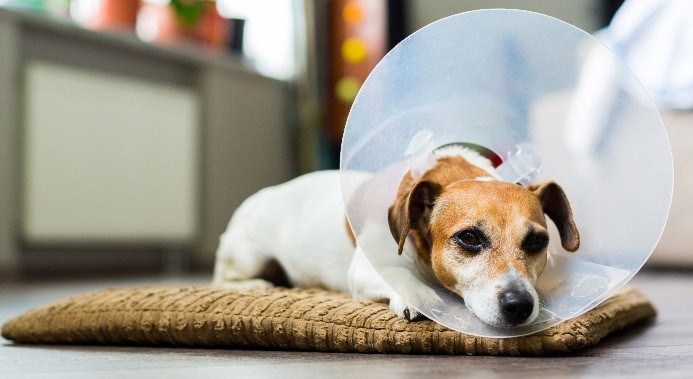
Use an Elizabethan collar (also known as a cone) to prevent your dog from licking or chewing their incision.
This will ensure the wound remains clean and heals quickly without complications.
Monitor appetite and hydration
After surgery, dogs often experience a decreased appetite due to medication effects or discomfort.
However, consult your vet if your dog refuses food or water for more than 24 hours.
Administer medications properly
Your vet may prescribe pain medication or antibiotics after the surgery.
Ensure that you administer these medications exactly as directed by your veterinarian.
Provide a comfortable recovery space
Create a quiet and comfortable space where your dog can rest during recovery.
Ensure the area is warm enough and has soft bedding for them to lie on.
Focus on your dog
During this recovery time, spend extra time with your dog, giving it love and attention.
This will help your dog feel better and strengthen your bond.
Be patient
Every dog is different, and their recovery time may vary.
Be patient and understanding with your pets as they recover from surgery.
What to watch for after surgery
Behavior changes after neutering
Neutering can reduce aggression, territorial behavior, and roaming in male dogs.
It may also improve obedience and focus during training, but it can also potentially cause weight gain or increased anxiety.
For female dogs, neutering prevents unwanted pregnancies and reduces the risk of health issues.
It can also result in reduced aggressive behavior, less roaming and urine marking, a calmer demeanor, and an increased appetite due to hormonal changes.
Reduced aggression
One of the most notable benefits of neutering is the potential reduction in aggressive behaviors, particularly in male dogs.
Neutering can reduce the hormonal influences that contribute to aggression, making the dog less likely to fight with other dogs or exhibit territorial behavior.
Decreased sexual behavior
For male dogs, neutering typically reduces behaviors associated with mating instincts, such as mounting and roaming in search of females.
This can make them easier to manage during walks and in social settings, as they are less likely to be distracted by female dogs in heat.
Less marking behavior
Male dogs often mark their territory by urinating in various locations.
Neutering can reduce this instinct, resulting in fewer instances of marking inside the home or in inappropriate places outdoors.
Improved focus and training
With reduced urges to mate and roam, neutered dogs may show improved focus and responsiveness during training sessions.
This can facilitate better obedience and enhance learning, making it easier for owners to teach commands and tricks.
Calmer demeanor
Neutered dogs often exhibit a calmer and more relaxed demeanor.
This can lead to more enjoyable interactions and make them more suitable companions for families, especially those with children or other pets.
Behavioral risks
While neutering can mitigate specific behavioral issues, it is not a cure-all. Aggression that stems from fear, anxiety, or learned behaviors may not necessarily improve with neutering alone.
Therefore, consult a professional dog trainer or behaviorist if aggression is a significant concern.

Ethical considerations
Cultural and societal beliefs significantly influence the decision to neuter a dog. In some cultures, responsible pet ownership includes neutering to control the pet population and ensure animal welfare.
In contrast, others may view it as unnatural, valuing the breeding process for maintaining lineage and characteristics.
Attitudes towards animal welfare also play a crucial role. In areas with active animal welfare organizations, there is often greater acceptance of neutering.
Conversely, in communities with limited access to veterinary care or financial resources, the cost of neutering may deter pet owners, leading to more unplanned litters.
Here are some critical ethical factors to consider:
Animal welfare
Neutering can significantly contribute to animal welfare.
By preventing unwanted litters, you help reduce the number of homeless pets in shelters, many of whom face euthanasia due to overpopulation.
Countless dogs and puppies enter shelters each year, and not all find loving homes. Neutering helps mitigate this crisis, ensuring resources and care are available for animals in need.
Health benefits
From an ethical standpoint, the health benefits of neutering should be carefully weighed. The procedure can prevent numerous health issues, such as certain cancers and infections, which may lead to suffering and necessitate more invasive treatments later.
Making a decision that enhances your dog’s quality of life and prevents potential suffering aligns with ethical principles of compassion and responsibility toward your pet.
Behavioral considerations
Neutering can also impact behavior, often reducing aggressive tendencies and unwanted behaviors associated with mating instincts.
While neutering alone may not resolve behavioral issues, it can be part of a comprehensive strategy to foster a harmonious relationship between the dog and its owner.
Ethical pet ownership includes ensuring that a dog can coexist peacefully in society.
Informed decision-making
Ethical pet ownership requires careful decision-making based on accurate information.
Discussing your options with your veterinarian and understanding the pros and cons of neutering helps ensure a wise decision.
It is crucial to consider your dog’s individual needs and circumstances when making this decision.
Cultural perspectives
Different cultures and communities hold varied beliefs regarding neutering. Some may see it as an essential aspect of responsible pet ownership, while others may oppose it based on cultural or moral grounds.
Ethical considerations should encompass a respectful understanding of these perspectives, while also balancing them with the responsibilities that come with pet ownership.
Long-term commitment
Neutering is part of your long-term commitment as a pet owner. It involves taking responsibility for your dog’s immediate needs and long-term health, well-being, and integration into your family and community.
Being a responsible owner means recognizing the broader impact of your decisions, including the ethical implications of contributing to the population of healthy, well-cared-for pets.
Neutering alternatives
While neutering is common, it is essential to explore alternatives that may better suit your dog’s health, lifestyle, or personal beliefs.
Here are some options to consider if you’re looking for alternatives to traditional neutering:
Hormonal treatments
Some veterinarians offer hormone-based options to help manage unwanted behaviors associated with heat cycles in female dogs or aggression in males, without the need for surgical intervention.
These treatments can include injections or implants that temporarily suppress hormone production, thus preventing heat cycles or reducing certain behaviors.
Behavioral training
Training and behavioral modification can often address issues that spaying or neutering typically aims to resolve.
Working with a professional dog trainer or behaviorist can help manage aggression, territorial behavior, or other problems, allowing you to maintain your dog’s reproductive capability while promoting good behavior.
Natural products
Various supplements and natural products on the market claim to help reduce certain reproductive behaviors.
However, it’s essential to consult your veterinarian before using these options to ensure they are safe and effective for your dog.
Temperature or time-based methods
Some owners monitor their dogs’ heat cycles and manage the situation through careful supervision during these times.
This approach involves keeping males and females separated to prevent unplanned litters and limiting their interactions during heat.
Selective breeding
If retaining your dog’s reproductive capabilities is essential to you, and you are considering breeding, responsible and selective breeding practices can help ensure that only healthy, well-tempered dogs pass on their genes.
This method requires knowledge, commitment, and resources to maintain ethical breeding standards.
Considerations for female dogs
If you choose not to spay your female dog, it is essential to prepare for her heat cycles.
This preparation includes managing her environment, understanding the signs of heat, and preventing unwanted attention from male dogs.
Regular veterinary check-ups
For owners who choose not to neuter, regular veterinary check-ups are crucial.
This includes monitoring for health issues that may arise in intact dogs, such as infections, reproductive system diseases, and certain cancers.
While these alternatives can effectively manage some of the concerns associated with intact dogs, it’s vital to have open discussions with your veterinarian to ensure you fully understand the implications and possible outcomes of choosing not to neuter your dog.
Each option has its considerations; informed decision-making is vital to your pet’s health and well-being.
Common neutering misconceptions
Myth 1: Neutering makes my dog lazy
Myth 2: It’s best to neuter as early as possible
Myth 3: Neutering will fix all behavioral problems
Myth 4: My dog needs to have one litter before spaying
Myth 5: Neutering is cruel and unnatural
Myth 6: Male dogs don’t need to be neutered
Myth 7: My dog’s personality will change completely
Decision-making checklist
Use this checklist to assess your dog’s situation and determine the best time to discuss neutering with your vet.
Breed size and type
Age and maturity
Sex-specific factors for females
Sex-specific factors for males
Health considerations
Lifestyle and environment
Next steps
Final thoughts on determining the right time to neuter your dog
Deciding what age to neuter your dog can be daunting, especially when so much “advice” is available.
As long as you follow this guide and consult with your veterinarian, choosing the best time to neuter your dog can improve your pet’s health, make your life easier, and ultimately strengthen your bond.
Dr. Jordan Turner is a practicing veterinarian who treats dogs and cats. He is also the founder of YourPetProfessional, a site that offers trusted, veterinary-approved information to improve animal health and welfare.