
Make a splash: Teach your dog to swim safely in 7 easy steps
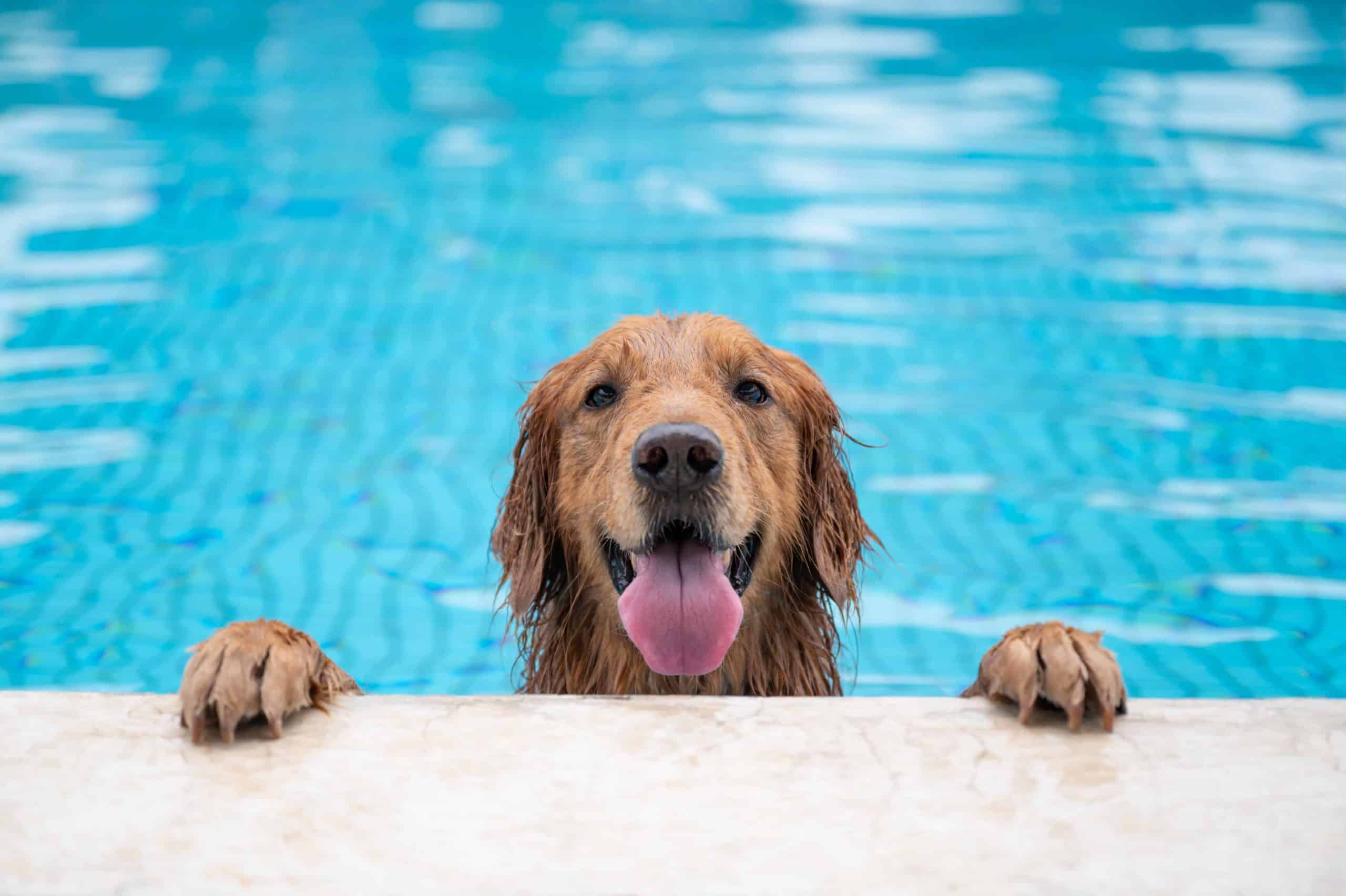
Many, but not all, dogs can swim. It is best to encourage a dog to swim when it is young so it has fewer negative experiences with water.
Swimming in a pool should be fun and have positive associations. Ensure your dog can get in and out of the pool safely.
Some dogs take to swimming immediately, like those with webbed feet.
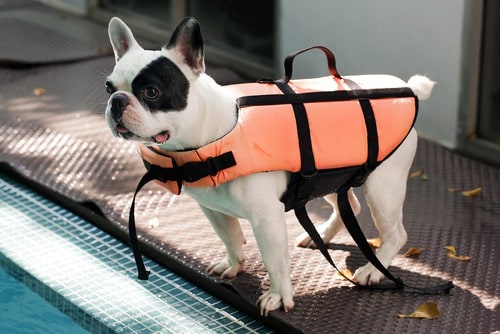
With others, it takes time and patience. Some even need life vests and swimming lessons to feel comfortable in the water.
Some dogs struggle in the water, like those with long bodies and short legs or brachycephalic dogs with shorter snouts and rounded heads.
Unlike the ocean, a lake, or a pond, a swimming pool has walls. This can make your dog sense that they will be trapped.
Never force or throw your dog into the backyard pool. It is always better when the dog thinks getting into the pool is the dog’s idea.
One more thing to consider: If you let your dog use the pool, keep it clean. Regularly monitor the chlorine and pH levels and check filters and drains for dog hair. Check with your vet to ensure none of the pool chemicals pose a threat.
If you have a swimming pool, teaching your dog pool safety is crucial for keeping your dog safe during summer.
Follow these seven steps to dog swimming pool success
Step 1: Stay calm
Calmly leash your dog. Talking in a reassuring and confident voice, casually lead your dog to the pool.
Do not drag the dog. If it balks, unleash the dog and try another time.
Step 2: Use praise and treats
Use your voice to encourage your dog toward the pool without tugging on the leash. Reward it with praise and treats.
You want your dog to associate walking towards the pool with positive experiences, such as being praised and receiving treats.
Consider this the goal for the day. You want the dog to have a positive experience.
Step 3: Sit at the pool’s edge
At this point, the objective is to get your dog to the side of the pool. Stand at the pool’s edge, petting your dog, and continue to praise and give treats.
Put your feet in the pool, and have your dog sit at your side.
Continue to talk to your dog in a normal tone of voice.
Praise your dog and give lots of treats.
Your goal for the day is to get your dog to associate the pool with a positive experience.
Step 4: Use repetition
Repeat steps 1 and 2.
Get into the pool and walk down the first two steps.
Now, call your dog to follow you while gently pulling the leash. Reward each step with praise and treats.
You may have to help them by putting their front feet into the water on the first step.
Reward the dog with lots of praise and treats.
Consider this your goal for the day.
Step 5: Show your dog how to get back out
Get your dog through steps 1-3.
Now, swim out into the pool. Call the dog by name and give the command, “let’s swim!”
Pull the leash gently while giving the command.
When the dog’s whole body is in the water, immediately show them how to turn around and find the stairs to get out. Then, reward your dog with lots of praise and treats.
Consider this your goal for the day.
Step 6: Eliminate the leash
Repeat steps 1-4 often enough that your dog will willingly get in with the leash slack. Try calling your dog without the leash.
The dog should get in readily.
Use lots of praise.
Instead of food treats in the water, reward your dog with a tennis ball or squeaky toy.
Ensure your dog thinks getting into the pool has been a fun experience.
Step 7: Build confidence
Introduce your dog to shallow areas like a kiddie pool or calm lake shore to build confidence in water and ensure a positive swimming experience.
Allow them to explore freely, using treats and praise to reinforce their curiosity and comfort.
Then, gradually move to deeper water as your dog gains confidence. Incorporate play by tossing toys to retrieve, keeping the games close to the edge to avoid overwhelming them.
Your presence can help ease their anxiety, so enter the water with them to demonstrate that it’s safe. In deeper waters, always prioritize safety by using a properly fitted life jacket.
Keep swim sessions short to prevent fatigue, monitoring their body language for signs of stress. If they show hesitation, give them time to relax.
Celebrate all achievements, however small. Your encouragement will foster their confidence and make swimming enjoyable for both of you.
Avoid common mistakes
Rushing the process
One common mistake is rushing the process of teaching a dog to swim. It’s essential to take the time to gradually introduce your dog to the water, allowing them to acclimate at their own pace.
Using force
Forcing or throwing your dog into the water can create a negative association with swimming. Letting the dog approach the water voluntarily and at its comfort level is crucial.
Neglecting positive reinforcement
Failing to use positive reinforcement techniques such as praise and treats can hinder the dog’s progress. Positive associations with swimming are crucial to making the experience enjoyable for your dog.
Lack of supervision
Failing to supervise your dog while it swims can lead to safety concerns. Always watch your dog in the water and ensure it can safely enter and exit the pool.
Ignoring pool maintenance
Neglecting to keep the pool clean and regularly checking chlorine and pH levels can pose health risks to your dog.
It’s essential to maintain a safe and clean swimming environment.
It’s also important to clean and dry your dog’s ears after swimming to prevent ear infections.
Keep your dog safe
Swimming can be a fun and refreshing activity for dogs, but pet owners must be vigilant about their dog’s safety.
Here are some signs of distress to watch for and steps to take if you notice your dog struggling in the water.
Signs of distress
Panic or anxiety: If your dog is splashing frantically, barking, or attempting to climb out of the water, they may feel scared or overwhelmed.
Exhaustion: A dog that is paddling but making little progress or seems to be struggling to stay afloat may be getting tired. Look for sluggish movements or a slower pace than usual.
Unusual behavior: A dog swimming in circles or repeatedly turning back towards the shore may be experiencing distress. Changes in their usual swimming style can also be a red flag.
Difficulty breathing: If you notice your dog coughing, panting excessively, or showing signs of gasping for air, they may be in trouble.
Submersion: If your dog goes underwater and doesn’t resurface quickly, this is a serious sign of distress.
Call for help: Excessive barking or whimpering might indicate they’re trying to signal for help.
Help if your dog struggles
Stay calm: Your dog may pick up on your anxiety, so try remaining calm. This will also help you think clearly.
Assess the situation: Quickly evaluate the type of distress your dog is in. If they appear to be in immediate danger, prioritize rapid response.
Approach carefully: If you can do so safely, approach your dog calmly and slowly. Avoid making sudden movements that could startle them further.
Use a flotation device: If available, throw a life jacket or flotation device their way to help them stay afloat. This can give you extra time to reach them safely.
Reach or throw, don’t go: If you cannot swim to your dog, try to extend a leash, long stick, or something similar to them. Do not jump into the water unless you are confident in your swimming ability and can ensure your dog won’t inadvertently pull you under.
Rescue techniques: If you are a strong swimmer and decide to swim out to your dog, approach from behind and under the dog, keeping your body upright while gently lifting them out of the water.
Ensure you maintain your own stability as you assist them.
Aftercare: Once your dog is out of the water, check for signs of distress or injury. Look for symptoms like coughing, lethargy, or any unusual behavior.
Consider consulting a veterinarian if your dog exhibits any concerning symptoms.
The bottom line on dog swimming pool safety
Ensure that dogs can safely use the pool. Your dog must know how to get in and out of the pool.
Use highly motivating treats to train your dog. The reward must be worth the dog’s effort.
Ensure your dog knows the ladder, steps, or shelf’s location to exit the pool without panicking.
Karen A. Soukiasian owns Good Dog! — Dog Training in St. Augustine, Florida. You can follow Karen on Facebook.